
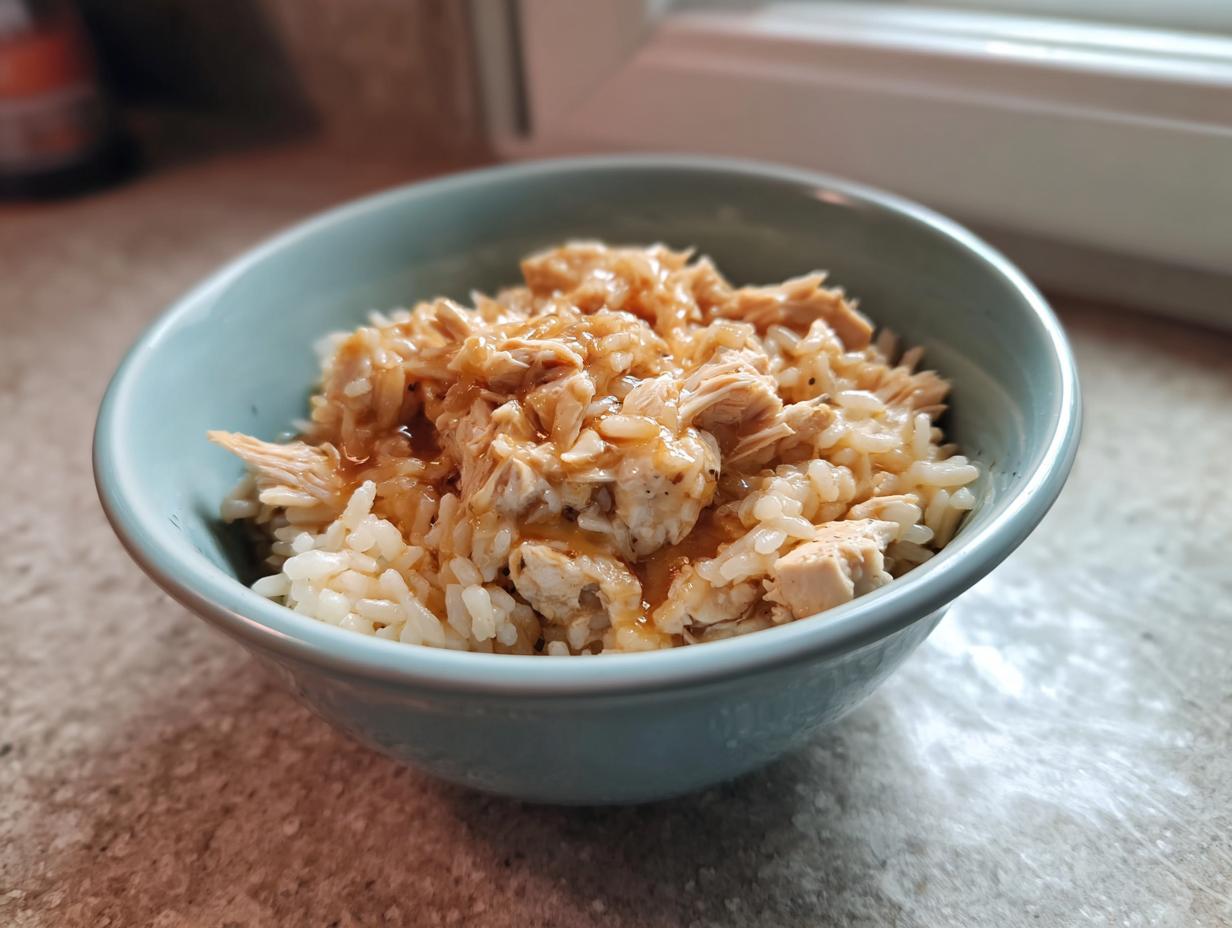
When our furry companions are under the weather, watching them struggle to regain their strength can be heartbreaking. After my sweet Leo had a scary vet visit, I was determined to give him the best possible support to get back on his paws. That’s when I started whipping up this High-Calorie Cat Recovery Meal. It’s not just food; it’s a little bowl of love packed with everything he needed – easy to digest, super nutritious, and best of all, something he actually *wanted* to eat when he had zero appetite. You’ll see how simple it is to make this comforting, energy-boosting meal right at home!
Understanding Your Cat’s Nutritional Needs During Recovery
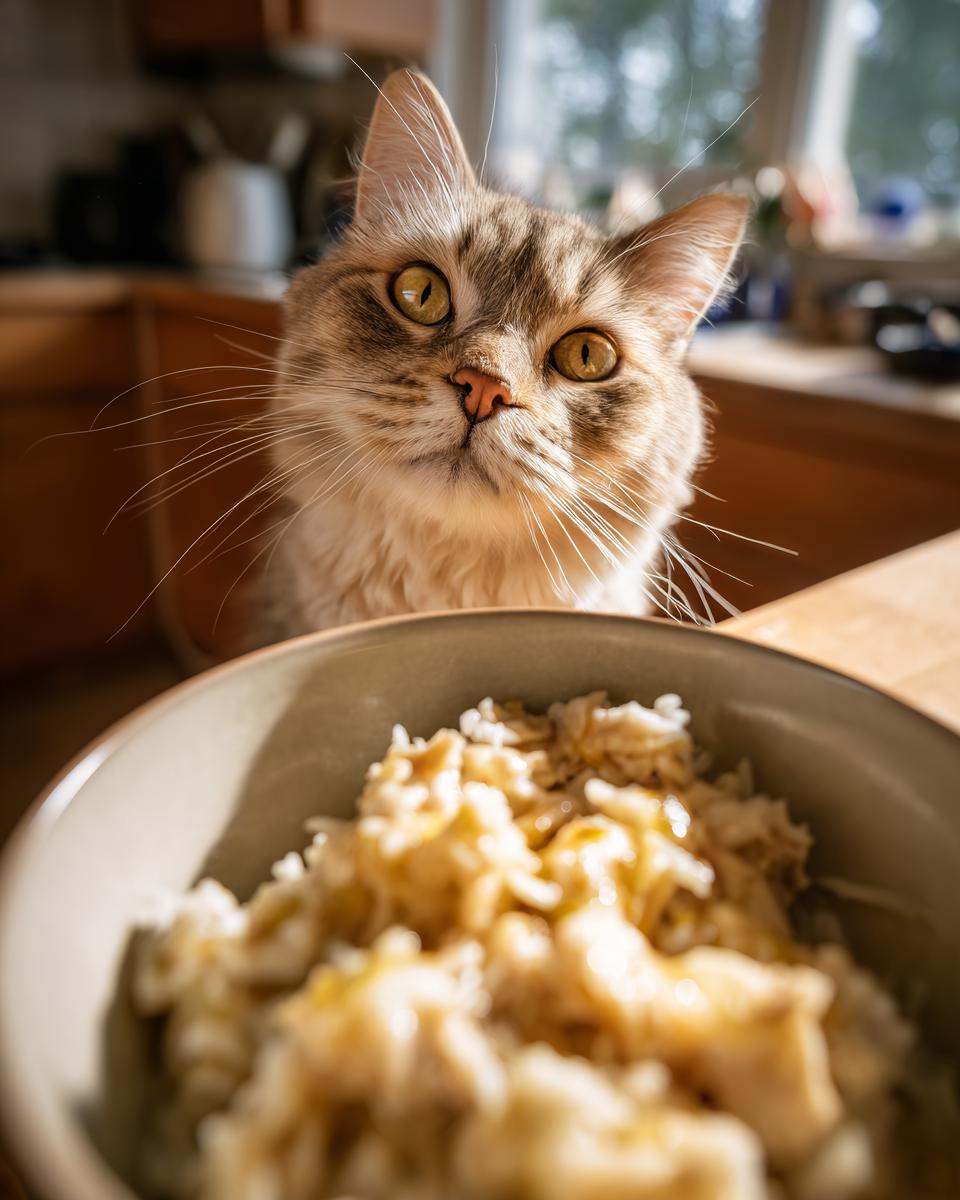
When our little felines are recovering, whether from an illness, surgery, or just a rough patch, their bodies are working overtime. This means they need extra fuel, like a supercharged boost, to heal properly. Their caloric needs can skyrocket, so just giving them their usual kibble might not cut it. We need to think about nutrient-dense foods that are easy on their system but packed with goodness.
Protein is like the building blocks for new tissue, so it’s super important for repairing muscles and organs. And don’t forget those amazing essential fatty acids! They’re like magic little helpers that can reduce inflammation and speed up wound healing. It’s all about giving them the best possible support through their diet. It really makes a difference seeing them perk up and get their energy back!
The High-Calorie Cat Recovery Meal: Ingredients You’ll Need
Alright, let’s get down to the good stuff! Making this special meal for your kitty is surprisingly easy. The key is using simple, wholesome ingredients that are gentle and packed with the good stuff they need to recover. I always make sure everything is plain – no salt, no yucky onion powder (that stuff is a big no-no for cats, remember!), just pure, healthy goodness. Here’s what you’ll need:
- 1 cup cooked chicken breast, make sure it’s shredded super finely. Like, tiny shreds!
- 1/2 cup cooked rice. Plain white rice works best here, it’s easy to digest.
- 1/4 cup low-sodium chicken broth. This adds moisture and flavor without being too harsh on their system.
- 1 tablespoon olive oil. Good quality, extra virgin if you have it!
- 1 teaspoon fish oil. This is a powerhouse for healing and energy. Just grab a pet-specific one!
Seriously, that’s it! When your cat is feeling down, the last thing you want is a complicated recipe. These few ingredients come together quickly to make something truly special.
Step-by-Step Guide to Preparing Your High-Calorie Cat Recovery Meal
Okay, so now that you’ve got your ingredients all lined up, let’s get this recovery meal made! It’s so quick, you’ll have it ready faster than your kitty can say ‘meow’ with excitement. Trust me, if your little one is feeling a bit iffy, a simple, delicious meal like this can make all the difference. It’s all about comfort and nourishment! If you’re looking for some other yummy chicken ideas, check out these Garlic Butter Chicken Bites or this Creamy Parmesan Pasta for inspiration (human food, of course!).
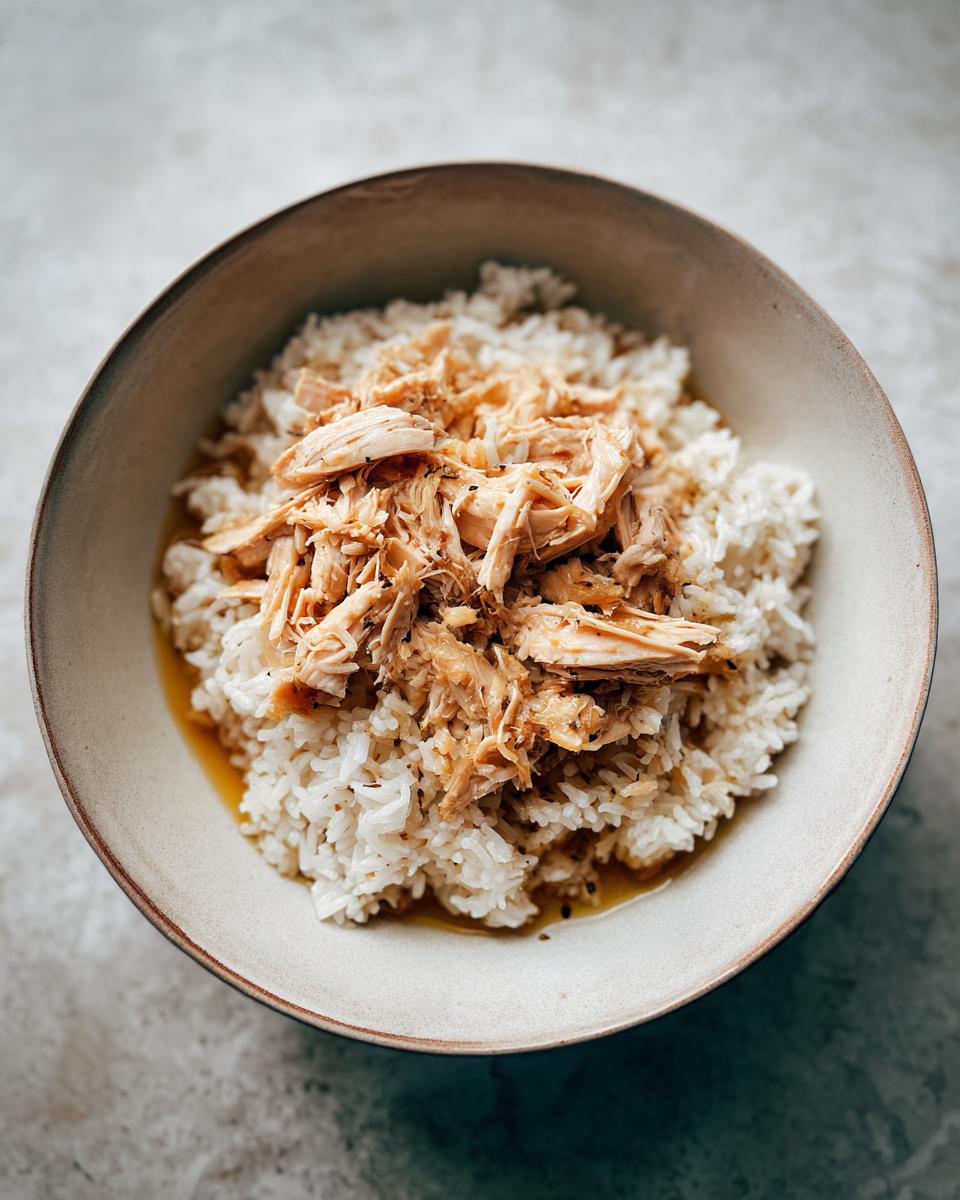
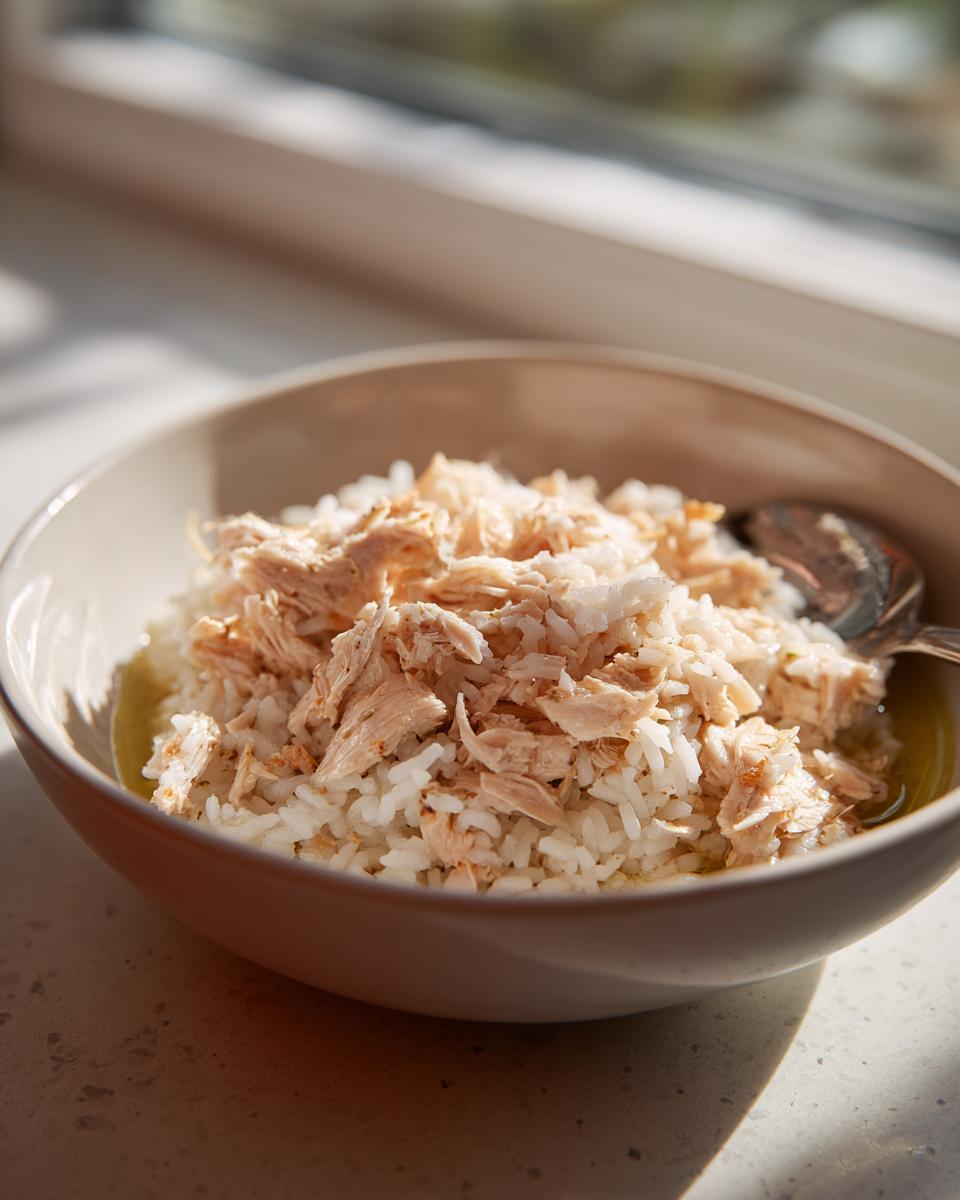
- First things first, you’ll want to shred that cooked chicken breast. I like to do it nice and fine so it’s super easy for them to eat, almost like a pâté. You can use a fork or even your fingers – just make sure there are no big chunks!
- Grab a bowl – a nice clean one, of course – and toss in your finely shredded chicken and the cooked rice. Give it a little swirl to get things started.
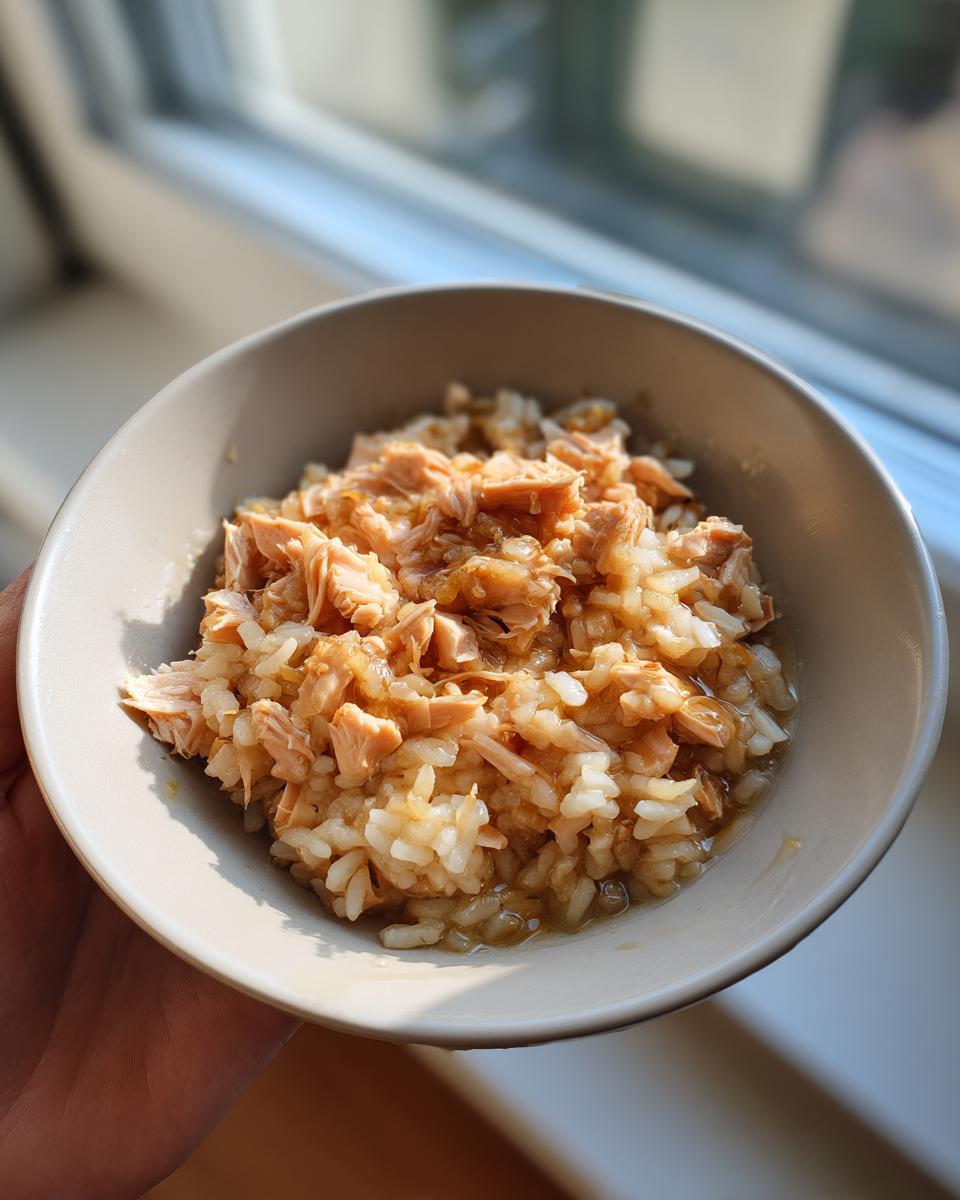
- Now, pour in the low-sodium chicken broth and that lovely olive oil. The oil is great for extra calories and helps keep things smooth and appealing. Mix it all up until it looks like a tasty, moist mash.
- Here comes the secret weapon: the fish oil! Drizzle that in and give everything one final, thorough stir. You want to make sure that good stuff is distributed evenly so your cat gets every bit of its benefits.
- And that’s it! Seriously, you’re done. The very last, and I think crucial, step is to serve it up at room temperature. If it’s too hot or too cold, picky eaters (and let’s be honest, most cats are!) might turn their nose up at it. A gentle warmth is usually best.
When Leo was recovering, he was *super* picky. I discovered that if I warmed it just a tiny bit – like, barely lukewarm – it really brought out the aroma and made him more interested. So, don’t be afraid to experiment with the temperature a little to see what your cat prefers!
Tips for Success with Your High-Calorie Cat Recovery Meal
Getting your furry friend back on their feet is such a relief, and this special meal can really help! I’ve found a few little tricks over the years that make serving this recovery food even better. First off, let’s talk about portions. You don’t want to overload their tummy, especially if they haven’t been eating much. I usually start with a couple of tablespoons and see how they do, maybe feeding smaller amounts more often throughout the day. It’s all about gentle steps!
If your kitty is being a bit stubborn about eating (and oh boy, I’ve been there!), try warming the food just slightly. A tiny bit of warmth can really bring out the yummy smells and make it more enticing. Also, don’t be afraid to mix in a little bit of their usual wet food if they’re usually a fan of that – sometimes it’s the familiar smell that gets them interested! And remember, always, always chat with your vet before you start anything new or if you’re worried about their eating habits. They’re the experts, and they can give you the best personalized advice for your specific cat’s situation. For some other fantastic chicken recipes that might inspire you (for the humans, of course!), check out this Kuku Paka or this hearty Slow Cooker Chicken Stew!
Troubleshooting Common Issues with Cat Recovery Feeding
Even with the best intentions, sometimes our little furballs can be a bit… particular about their food, especially when they’re not feeling their best. If your cat is turning their nose up at the recovery meal, don’t despair! Often, a picky eater is just sensitive to temperature or texture. Try warming it up a touch more, or even mashing it a little finer. Sometimes adding just a *tiny* splash more of the unseasoned chicken broth can help too.
Digestive upset can also be a concern. If you notice any vomiting or diarrhea after feeding, it’s best to scale back the amount or maybe try a different protein source (always check with your vet first, of course!). For cats who are struggling to eat *anything* at all, even small amounts, it’s really important to consult your veterinarian immediately. They can help figure out if there’s an underlying issue or if a different feeding tube approach might be needed. The main goal is just to get *some* good nutrition into them, and sometimes it takes a little trial and error!
Frequently Asked Questions About High-Calorie Cat Recovery Meal
It’s totally normal to have questions when you’re trying to take the best care of your recovering kitty! I’ve gotten a lot of questions about this High-Calorie Cat Recovery Meal. Here are some of the most common ones I hear:
How often should I feed my cat this recovery meal?
When a cat is recovering, their appetite can be all over the place. It’s usually best to offer small amounts frequently throughout the day, maybe 2-4 times, or even more if they’re up for it! For human inspiration on feeding family, check out this Chicken Alfredo Pasta or this One-Pot Chicken Alfredo. Listen to your cat – offer a little, see if they eat, and don’t force it. Your vet can give you the best guidance on frequency based on your cat’s specific needs.
Can I substitute ingredients in this high-calorie cat recovery meal?
While the recipe is pretty straightforward, you can sometimes make a swap. It’s super important that any chicken or broth you use is plain, unseasoned, and low-sodium. If your cat can’t have chicken or rice, talk to your vet about safe alternatives like turkey or maybe a different grain. Olive oil and fish oil are key for the extra calories and healthy fats, so try not to skip those unless your vet says otherwise. Always double-check with your vet before making major changes!
How long can I store this meal?
Because it’s homemade with fresh ingredients, it’s best to use this recovery meal right away or store it in the fridge for a maximum of 1-2 days. Make sure to store it in an airtight container. I always recommend making smaller batches more often to ensure freshness. It also means you can warm it up slightly just before serving, which many cats prefer.
My cat is still not eating much, what can I do?
This can be really worrying! If your cat is still refusing to eat, even this tasty recovery meal, it’s crucial to go back to your vet. There might be an underlying reason for their lack of appetite that needs to be addressed. They might suggest syringe feeding, appetite stimulants, or other specialized recovery diets. Don’t give up hope, and definitely lean on your vet’s expertise!
Estimated Nutritional Information for High-Calorie Cat Recovery Meal
When you’re making this special recovery meal for your cat, it’s good to have an idea of what you’re giving them. Based on the ingredients, this recipe usually comes out to around 250 calories per serving. You’re also looking at about 20 grams of protein, 12 grams of fat, and 15 grams of carbohydrates. Keep in mind these are just estimates, you know? It can change a little depending on the exact chicken and oil you use. But it’s definitely a good, hearty boost for a kitty who needs to get their strength back!
Sharing Your Cat’s Recovery Journey
I truly hope this High-Calorie Cat Recovery Meal helps your furry friend get back to their happy, energetic selves! Seeing them feel better makes all the difference. Have you tried making this for your cat? I’d absolutely love to hear how it went! Please share your own recovery stories or any cute pictures of your kitty enjoying their special meal in the comments below. You can also reach out through our contact page – I love hearing from fellow pet parents!
Print
High-Calorie Cat Recovery Meal
- Total Time: 30 min
- Yield: 2 servings 1x
- Diet: Low Lactose
Description
A nutrient-rich meal designed to help cats regain strength and energy.
Ingredients
- 1 cup cooked chicken breast
- 1/2 cup cooked rice
- 1/4 cup chicken broth
- 1 tablespoon olive oil
- 1 teaspoon fish oil
Instructions
- Shred the cooked chicken breast into small pieces.
- Mix the shredded chicken with cooked rice in a bowl.
- Add chicken broth and olive oil to the mixture.
- Stir in fish oil until well combined.
- Serve at room temperature.
Notes
- Ensure all ingredients are fresh and free from seasoning.
- Consult your vet before introducing new foods to your cat’s diet.
- Prep Time: 10 min
- Cook Time: 20 min
- Category: Pet Food
- Method: Stovetop
- Cuisine: Pet
Nutrition
- Serving Size: 1/2 cup
- Calories: 250
- Sugar: 1g
- Sodium: 150mg
- Fat: 12g
- Saturated Fat: 3g
- Unsaturated Fat: 8g
- Trans Fat: 0g
- Carbohydrates: 15g
- Fiber: 1g
- Protein: 20g
- Cholesterol: 50mg
Keywords: high-calorie cat food, cat recovery meal, nutrient-rich cat food